Casinos and the Psychology of Hope
Casinos and the Psychology of Hope
The allure of casinos has captivated people for centuries, promising a thrilling escape and the potential for life-changing wealth. This fascination goes far beyond the flashing lights and the clinking of coins; it delves deep into the human psyche, tapping into our fundamental desire for hope. Understanding the psychology of hope is crucial to comprehending why people gamble, how they perceive their chances of winning, and ultimately, how casinos are designed to leverage these psychological vulnerabilities.
At the heart of the casino experience lies the powerful emotion of hope. Hope, in this context, is the belief that something positive will happen, even in the face of overwhelming odds. Casinos are master manipulators of this emotion, creating an environment that fosters hope at every turn. This is achieved through a combination of factors, including the visual spectacle, the sounds of winning, the social atmosphere, and the perceived near-misses.
The visual design of a casino is often deliberately overwhelming. Bright lights, vibrant colors, and intricate patterns are employed to stimulate the senses and create a sense of excitement. This sensory overload is designed to distract from the realities of the games and heighten the emotional experience. Similarly, the sounds of winning – the cheers, the bells, and the electronic melodies – reinforce the idea that winning is possible, even likely.
The social aspect of casinos also plays a significant role. People often gamble in groups, sharing in the excitement and celebrating near-misses and small wins. This social reinforcement can create a sense of community and belonging, further encouraging people to continue playing. The presence of other people winning also fuels the belief that they, too, can experience similar success.
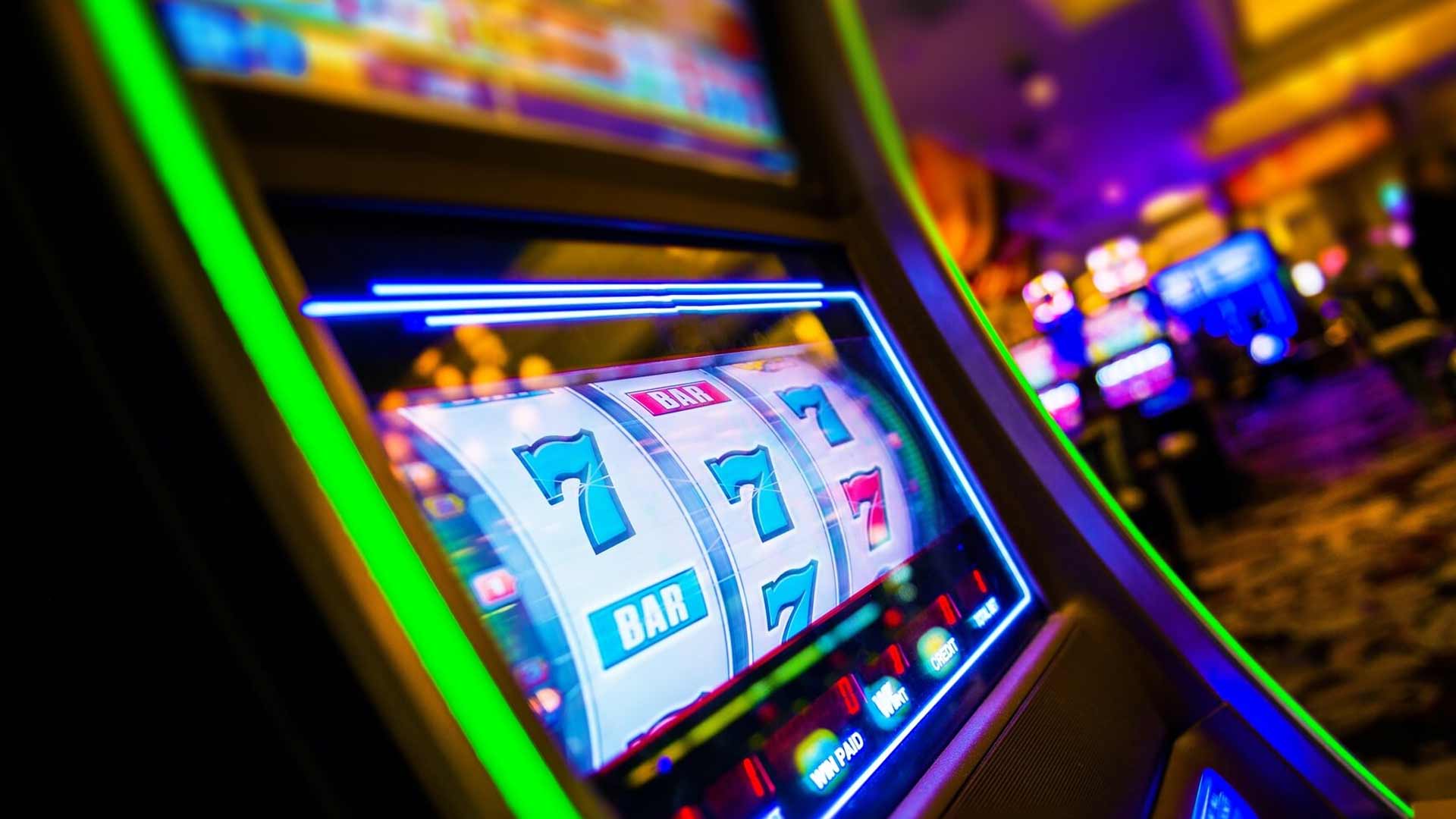
One of the most potent psychological tools used by casinos is the concept of near-misses. When a player almost wins, the brain registers this as a positive outcome, even though the player has still lost. This near-miss effect tricks the brain into thinking that winning is just around the corner, increasing the likelihood of continued play. The design of slot machines, in particular, is often optimized to generate frequent near-misses.
The availability heuristic, a cognitive bias, also contributes to the allure of casinos. People tend to overestimate the likelihood of events that are easily recalled, such as stories of big winners. Casinos often publicize these wins, further reinforcing the belief that anyone can get lucky. These stories become more readily available in our minds, making the possibility of a large win seem more probable.
Furthermore, casinos capitalize on the gambler's fallacy, the belief that past events influence future outcomes in random events. Players might believe that after a series of losses, they are "due" for a win. This flawed logic leads them to continue gambling, chasing losses and often deepening their financial troubles.
The games themselves are carefully designed to maximize the house edge. This means that over time, the casino is statistically guaranteed to win, while players are likely to lose. However, the games are also designed to provide enough short-term wins and exciting experiences to keep players engaged and hopeful. The illusion of control is also often created, even in games of pure chance. For example, the act of pulling a slot machine lever or rolling the dice gives players a sense of agency, even though the outcome is predetermined.
The impact of casinos on the psychology of hope can be profound. For some, gambling can become an addiction, leading to financial ruin and emotional distress. Others may gamble responsibly, but still experience the psychological effects of the environment. It's essential for individuals to be aware of the psychological tactics employed by casinos and to gamble responsibly. Understanding the underlying mechanisms of hope and how casinos utilize them is the first step toward making informed decisions.
Responsible gambling involves setting limits, both in terms of money and time, and sticking to those limits. It also means recognizing the signs of problem gambling and seeking help if needed. Remember, the odds are always in the house's favor. If you are looking for a reputable and entertaining online casino, consider exploring m88 casino online. Always gamble responsibly and within your means.
```